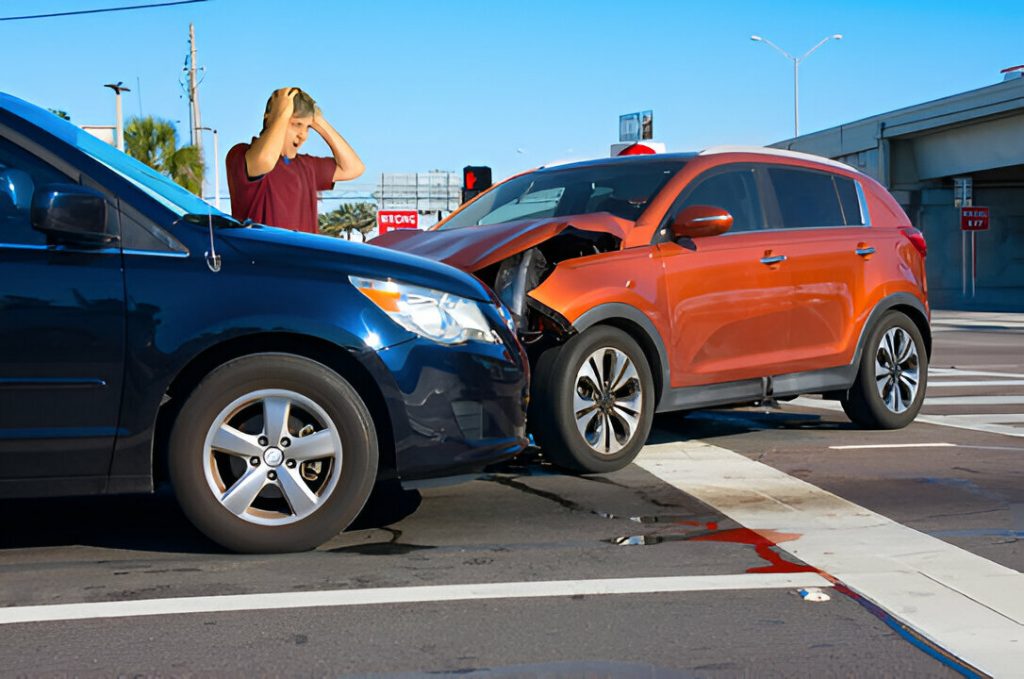
Idaho is known for its beautiful landscapes and outdoor activities, but its weather can be unpredictable and dangerous, especially for drivers. Whether you’re cruising along scenic highways or navigating urban roads, the weather plays a significant role in road safety. Knowing what to do immediately after a car accident in Idaho is crucial for ensuring your safety and protecting your legal rights. If you find yourself getting into a car accident in Idaho, it’s important to know what steps to take immediately to ensure your safety and protect your legal rights.
In this article, we’ll explore how weather in Idaho impacts car accidents, the steps you should take if you’re involved in one, and how to stay safe on the road despite the challenging conditions.
The Weather Conditions in Idaho That Affect Driving
Idaho’s weather is as diverse as its landscape. From sunny summer days to freezing winter nights, drivers are constantly exposed to changing conditions that can impact road safety. The state experiences heavy rain, snowstorms, fog, and strong winds—all of which can lead to hazardous driving situations. Understanding these weather patterns is crucial for every Idaho driver, as they can have a direct effect on accident rates.
Why Weather is a Leading Cause of Car Accidents
Weather conditions are one of the primary factors contributing to car accidents in Idaho. Even though drivers can take precautions, bad weather can quickly make the roads unpredictable. Wet or icy roads reduce traction, fog impairs visibility, and snow can obscure lane markings, all of which make driving more dangerous. It’s crucial to understand how weather influences your ability to drive and adjust accordingly.
Rain and Flooding: Slippery Roads and Visibility Issues
Rainfall can create slippery conditions on the road, especially if the rain is heavy. When rain mixes with dirt and oil on the road, it can form a slick surface, increasing the risk of skidding. In some cases, flooding can occur, creating large puddles or even deeper water on the road, which can be dangerous if not navigated carefully.
Driving in the rain means reduced visibility, too. The water on your windshield can distort your vision, making it harder to see pedestrians, vehicles, or obstacles. Always ensure your wipers are working, and keep your headlights on to increase visibility.
Winter Storms: Snow, Ice, and Dangerous Road Conditions
Winter in Idaho is no stranger to snowstorms, icy roads, and subzero temperatures. When snow begins to fall, it can cover the roads, making it difficult to gauge the road’s true surface. Ice, often invisible, can form under the snow, making roads slippery and unsafe. Drivers should always equip their vehicles with snow tires or chains and adjust their speed accordingly.
In case of a snowstorm, it’s important to stay informed about the weather forecast and plan your trips accordingly. Avoid driving during the worst conditions, and always clear snow and ice from your vehicle before hitting the road.
Fog and Reduced Visibility
Idaho’s mountainous terrain and valleys often create foggy conditions, particularly in the morning or evening. Fog can significantly reduce your visibility, making it difficult to see other vehicles, signs, or road markings. This increases the risk of rear-end collisions and crashes.
If you’re driving in fog, always reduce your speed and use low-beam headlights to avoid glare. Keep a safe distance from the vehicle in front of you, and avoid sudden lane changes.
Wind and Blowing Dust: A Hidden Danger
Strong winds and blowing dust are common in parts of Idaho, particularly in the spring and fall. These conditions can create hazards, especially on highways and open roads. High winds can blow vehicles off course, especially smaller vehicles like motorcycles or trucks with light loads. Dust storms, though less frequent, can drastically reduce visibility and make it almost impossible to drive safely.
If you find yourself in a windstorm, slow down and hold the steering wheel firmly. In a dust storm, it’s often best to pull over to the side of the road and wait for conditions to improve.
The Role of Road Maintenance in Preventing Accidents
Road maintenance plays a crucial role in reducing accidents caused by weather conditions. In Idaho, the Department of Transportation is responsible for keeping roads clear of snow, ice, and debris. However, in severe weather conditions, maintenance may not be immediate, so it’s important to be cautious.
If you’re driving in winter, stay informed about road conditions and closures. Look for road maintenance updates to help you plan the safest route.
What to Do Immediately After a Car Accident in Idaho
If you’re getting into a car accident in Idaho, it’s important to stay calm and follow the correct procedures. Whether the weather contributed to the crash or not, there are steps to take to protect your health and legal rights.
First, check for injuries. If anyone is hurt, call emergency services right away. Even if the accident seems minor, it’s wise to contact law enforcement to document the incident.
Make sure to gather information from the other driver(s), including their contact and insurance details. Take pictures of the scene and note the weather conditions, as this could be important for your insurance claim and any potential legal action.
The Importance of Filing a Police Report
A police report is often necessary for insurance claims and legal purposes. In Idaho, if the accident results in significant damage, injuries, or fatalities, a police report must be filed. This document serves as an official record of the accident and can be used as evidence in court if needed.
Make sure the report includes weather-related details, such as road conditions, visibility, or other factors that may have contributed to the crash.
How Weather Conditions Impact Insurance Claims
Weather-related accidents can complicate insurance claims. Insurance companies may require detailed documentation about how the weather contributed to the incident. This could include photographs, weather reports, and witness testimonies. Make sure to provide as much information as possible to strengthen your case.
Legal Considerations for Weather-Related Car Accidents
When weather conditions contribute to an accident, liability may not be straightforward. In Idaho, the driver who is at fault for the accident is typically liable for damages. However, proving that weather played a significant role can sometimes require expert testimony, weather data, or accident reconstruction analysis.
Consulting with a legal expert is crucial if you are involved in a weather-related accident to ensure that you are properly compensated for damages.
Driving Tips for Challenging Weather in Idaho
To avoid accidents, it’s important to adjust your driving to match the weather conditions. Slow down when driving in rain, snow, or fog, and always keep a safe distance from the vehicle in front of you. Avoid sudden braking or sharp turns, which can cause you to lose control of your vehicle.
Ensure your car is equipped for the weather conditions, including tires suitable for snow or ice. Regular maintenance, such as checking your brakes and windshield wipers, can also help you stay safe.
The Impact of Weather on Pedestrian and Bicycle Accidents
While much attention is given to car accidents, weather can also affect pedestrians and cyclists. Snow and ice make sidewalks slippery, and poor visibility can lead to accidents involving walkers or bike riders. Drivers need to be particularly cautious when conditions are bad, and pedestrians should take extra care when crossing streets.
Understanding Idaho’s Traffic Laws During Bad Weather
Idaho’s traffic laws require drivers to adjust their speed to suit weather conditions. Drivers must also be aware of laws related to stopping for school buses, using headlights in low-visibility conditions, and following lane markings, especially in snow or rain.
Understanding these laws helps ensure both drivers and pedestrians stay safe during Idaho’s unpredictable weather.
Key Takeaways:
- Weather conditions significantly impact driving safety in Idaho, with rain, snow, fog, and wind all increasing the risk of accidents.
- Slow down and adjust your driving based on weather conditions, such as using snow tires in winter or reducing speed during rain or fog.
- Always call emergency services and file a police report if you’re involved in an accident, even if weather conditions contributed to the crash.
- Document the weather conditions at the time of the accident, as this can help with insurance claims and legal matters.
- Prepare your vehicle for Idaho’s harsh weather by regularly maintaining tires, brakes, and windshield wipers to ensure safety in all conditions.
Staying Safe and Prepared
Weather in Idaho can be unpredictable, and it’s essential to be prepared when driving in the state. By adjusting your driving habits, maintaining your vehicle, and being aware of changing conditions, you can reduce the risk of accidents. And if you do find yourself getting into a car accident in Idaho, knowing what steps to take immediately can make all the difference.
What should I do immediately after a car accident in Idaho?
First, check for injuries and call emergency services. Then, gather information from other drivers, document the scene, and file a police report.
Can weather conditions affect insurance claims in Idaho?
Yes, weather conditions can complicate insurance claims. You may need to provide evidence, such as weather reports or photos, to support your claim.
How does snow affect driving in Idaho?
Snow can make roads slippery, reduce visibility, and obscure lane markings. It’s important to reduce speed, use snow tires, and avoid sudden maneuvers.
Is it illegal to drive without snow tires in Idaho during winter?
While not illegal, it’s highly recommended to use snow tires in Idaho during the winter months for better traction and safety.
How can I avoid getting into a car accident in Idaho during bad weather?
Drive cautiously, adjust your speed to the weather, maintain a safe distance from other vehicles, and make sure your car is properly maintained for the conditions.