Getting charged with a DUI in California can be a life-changing experience. While the penalties can feel overwhelming, one of the most important requirements you’ll face is completing a state-approved DUI education program. These courses are not just about fulfilling court orders—they’re designed to help offenders understand the dangers of impaired driving and prevent repeat offenses. In fact, California’s DUI class attendance rules are strict, ensuring participants stay committed to completing their rehabilitation. Whether it’s your first offense or a repeat charge, knowing how these programs work can make the process much less stressful.
Key Takeaways
- DUI classes are mandatory for court or DMV-ordered participants in California.
- DUI class attendance rules include no unexcused absences, punctuality, and active participation.
- Program length ranges from 3 months to 30 months, depending on BAC level and offense history.
- Fees vary widely, but payment plans or waivers may be available.
- Completion certificates are required for license reinstatement and probation fulfillment.
Understanding California DUI Programs
California’s DUI programs are part of a broader legal and public safety initiative aimed at reducing alcohol-related crashes. These programs are mandated by both the Department of Motor Vehicles (DMV) and the court system, meaning compliance is non-negotiable if you want to regain your driving privileges. Beyond legal compliance, these classes aim to educate offenders about the risks associated with impaired driving and provide tools for behavior change.
Purpose of DUI Classes in California
The primary purpose of DUI classes is rehabilitation, not punishment. While they do carry legal consequences, their ultimate goal is to reduce repeat DUI offenses. They help participants identify risky behaviors, understand the legal and personal consequences of DUI, and develop strategies for making better choices in the future.
Legal Requirements After a DUI Conviction
After being convicted of a DUI, the court will outline the exact program length and type you must attend. The DMV also requires proof of completion before restoring your license. Missing classes, failing to participate, or dropping out entirely can result in license suspension and even jail time.
How Do DUI Classes Work in California?
DUI classes in California are structured programs that combine education, counseling, and accountability. Once you enroll, you’ll follow a set curriculum designed to meet state guidelines. These classes are held in person at licensed DUI program facilities, though some may offer online components if approved by the court and DMV.
DUI Class Attendance Rules You Must Know
California takes DUI class attendance rules seriously. Missing even a single session without a valid reason—such as a medical emergency—can lead to dismissal from the program. If you’re dropped, you may need to re-enroll and start from the beginning, which can delay license reinstatement. Most programs require:
- Attending all scheduled sessions
- Arriving on time and staying for the entire class
- Remaining sober during attendance
- Participating actively in discussions
These rules are in place to ensure participants get the full benefit of the program and don’t treat it as a “check-the-box” requirement.
The Enrollment Process
Enrolling in a DUI class starts after your sentencing or DMV order. You’ll be referred to an approved provider, and you must sign up by the deadline given in your court documents. Missing this enrollment deadline can lead to a probation violation or license suspension.
Steps generally include:
- Contacting a state-licensed provider
- Providing court or DMV paperwork
- Paying the initial enrollment fee
- Attending an orientation session
Program Length and Structure
Program length depends on your conviction type and BAC (Blood Alcohol Concentration) level at arrest. Some offenders complete a 12-hour program, while others may attend for up to 30 months. Classes are spread out weekly or bi-weekly, with a mix of educational lectures, group discussions, and individual counseling.
Types of DUI Programs in California
Not all DUI programs are the same. The type assigned to you depends on the severity of your offense and whether it’s your first or subsequent conviction.
Wet Reckless Program (12 Hours)
If your DUI was reduced to a “wet reckless,” you may only need to complete a 12-hour program. This course focuses heavily on alcohol education and preventing future incidents.
First-Offender DUI Program (3–9 Months)
First-time offenders generally attend a program lasting between 3 and 9 months. The longer length often applies if your BAC was significantly above the legal limit.
Multiple Offender Program (18–30 Months)
Repeat offenders are required to attend extended programs lasting 18 or even 30 months. These programs offer more in-depth counseling and relapse prevention strategies.
What to Expect During DUI Classes
Knowing what happens in these classes can help you feel more prepared and less anxious.
Educational Sessions
These sessions cover the science of alcohol and drugs, their effects on the body, and the dangers of impaired driving. They also discuss California DUI laws and penalties.
Group Counseling and Support Meetings
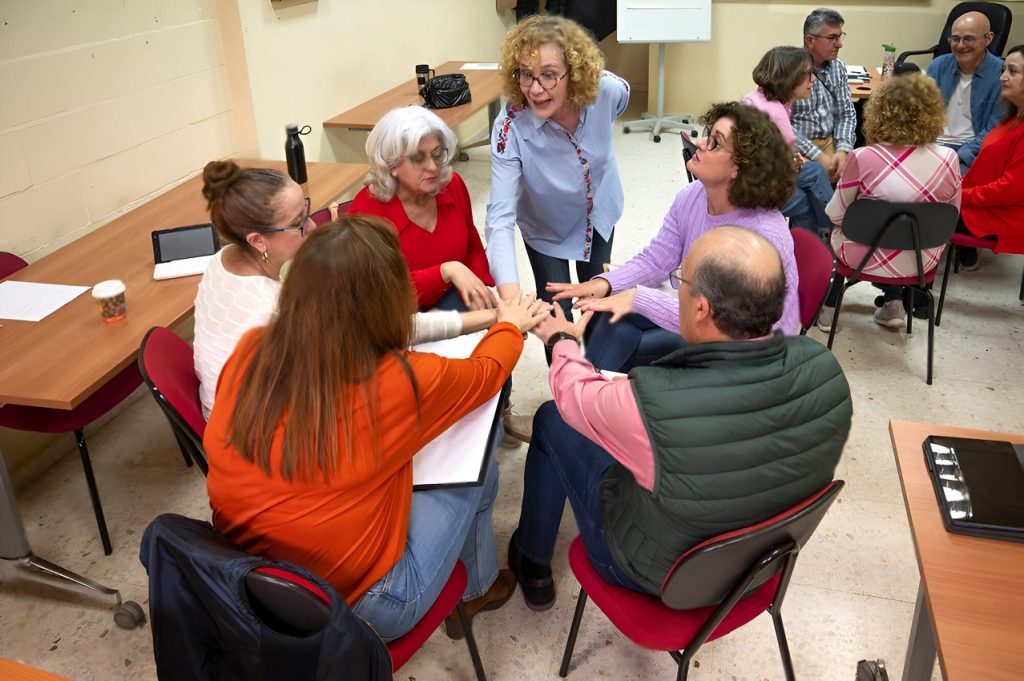
Group settings encourage sharing experiences and learning from others. Counselors facilitate discussions that help you understand patterns in decision-making.
Drug and Alcohol Assessments
At the start and sometimes throughout the program, you may undergo assessments to determine your relationship with substances. This helps tailor counseling to your needs.
Costs and Financial Assistance Options
DUI programs are not free, and the cost can vary widely.
Average Program Fees
Expect to pay anywhere from $500 for a short program to over $3,000 for a lengthy multiple-offender course. Payment is typically due in installments.
Sliding Scale and Fee Waivers
Some providers offer reduced fees based on income. If you’re struggling financially, you may qualify for a payment plan or partial fee waiver.
Consequences of Missing DUI Classes
Failing to attend as scheduled can derail your progress.
Legal Penalties for Non-Compliance
Missing classes without court-approved justification can result in license suspension, probation violation, or even jail time.
Steps to Re-Enroll or Resume Classes
If you miss too many sessions, you’ll likely have to re-enroll and pay again. Courts may require you to provide proof of re-enrollment to avoid harsher penalties.
Completing Your DUI Program Successfully
Attendance Strategies and Tips
- Mark class dates in your calendar
- Arrange transportation in advance
- Communicate with your counselor if emergencies arise
Staying Motivated Throughout the Program
Focus on the long-term benefits—getting your license back, avoiding future legal trouble, and improving personal safety.
How DUI Programs Affect Your Driver’s License
License Suspension and Reinstatement Process
Completing your program is often the final step before the DMV will reinstate your license. You’ll need to submit a Certificate of Completion.
SR-22 Insurance Requirement
After a DUI, you’ll likely need SR-22 insurance for several years, which certifies that you meet California’s minimum liability coverage.
California’s DUI programs are designed to educate, rehabilitate, and help offenders reintegrate as safe drivers. By understanding how these programs work, following DUI class attendance rules, and staying engaged in the process, you can complete your requirements successfully and move forward with a clean slate. Taking the program seriously is not just about meeting court orders—it’s about making better decisions for your safety and the safety of others.
Can I miss a DUI class if I have an emergency?
Yes, but you must notify the program immediately and provide documentation. Make-up sessions may be required, often with an additional fee.
What happens if I show up late to a DUI class?
Late arrivals may be marked as absent, which can count against your allowed absences and risk program termination.
Do online DUI classes count in California?
Only state-approved online programs are accepted, and in some counties, in-person attendance may still be required.